A LITTLE CHANGE. A WHOLE NEW FEELING.
AI Living Room Design
The room everyone photographs and nobody can decide on. Ten directions in one run.
Your starting point
Your first 2 designs are on us · no card needed
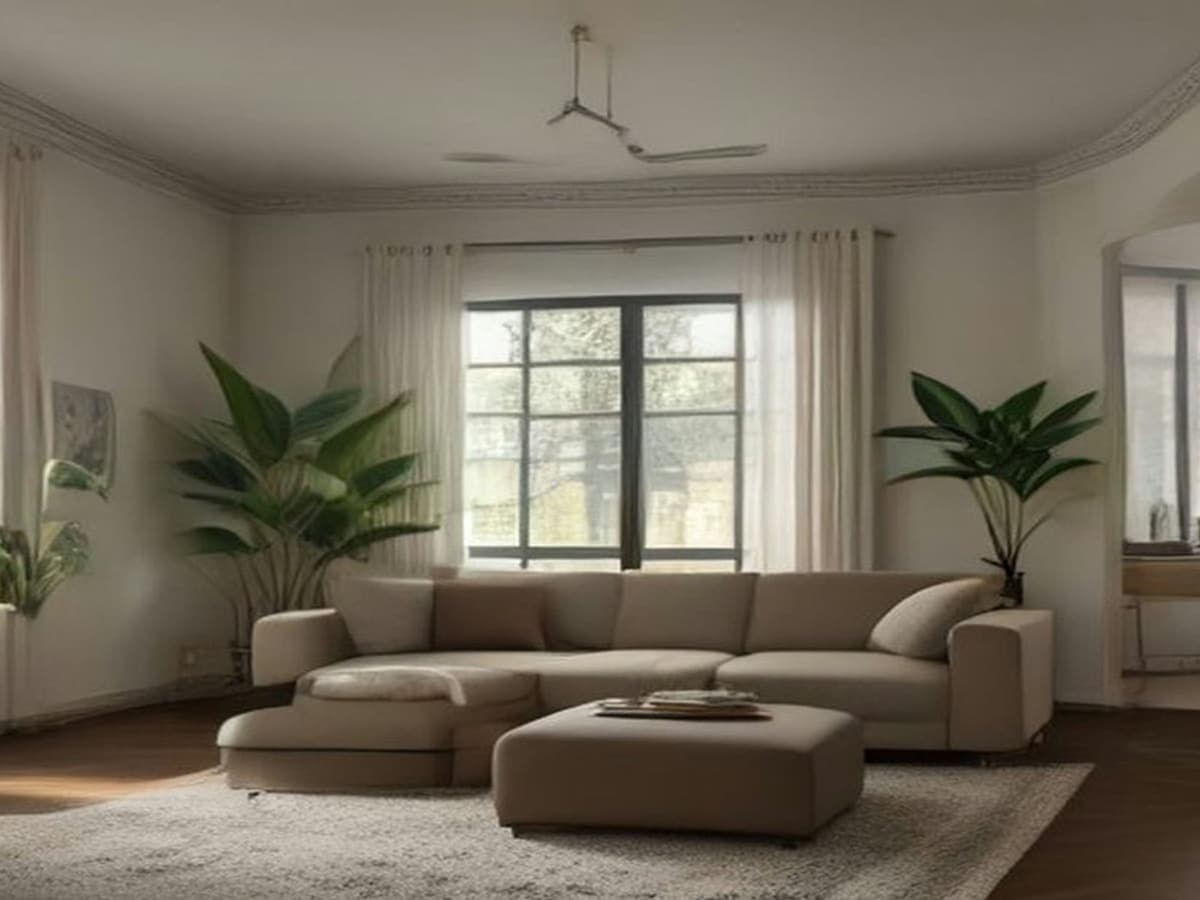
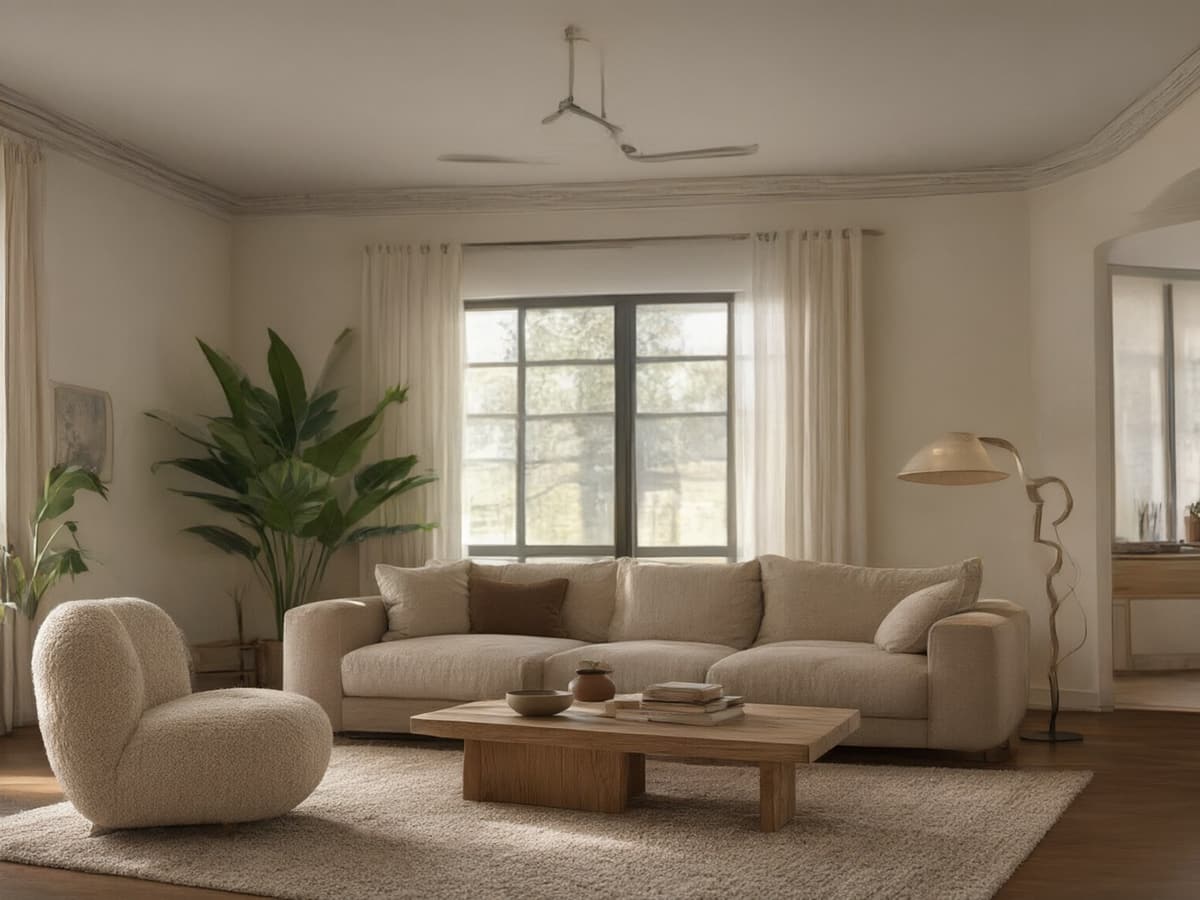 BeforeAfter
Drag the handle to compare before & after
FIND WHAT FEELS LIKE YOU
Different moods.
Same room.
Start with a feeling. Explore a few of our favourite directions, then make one your own.
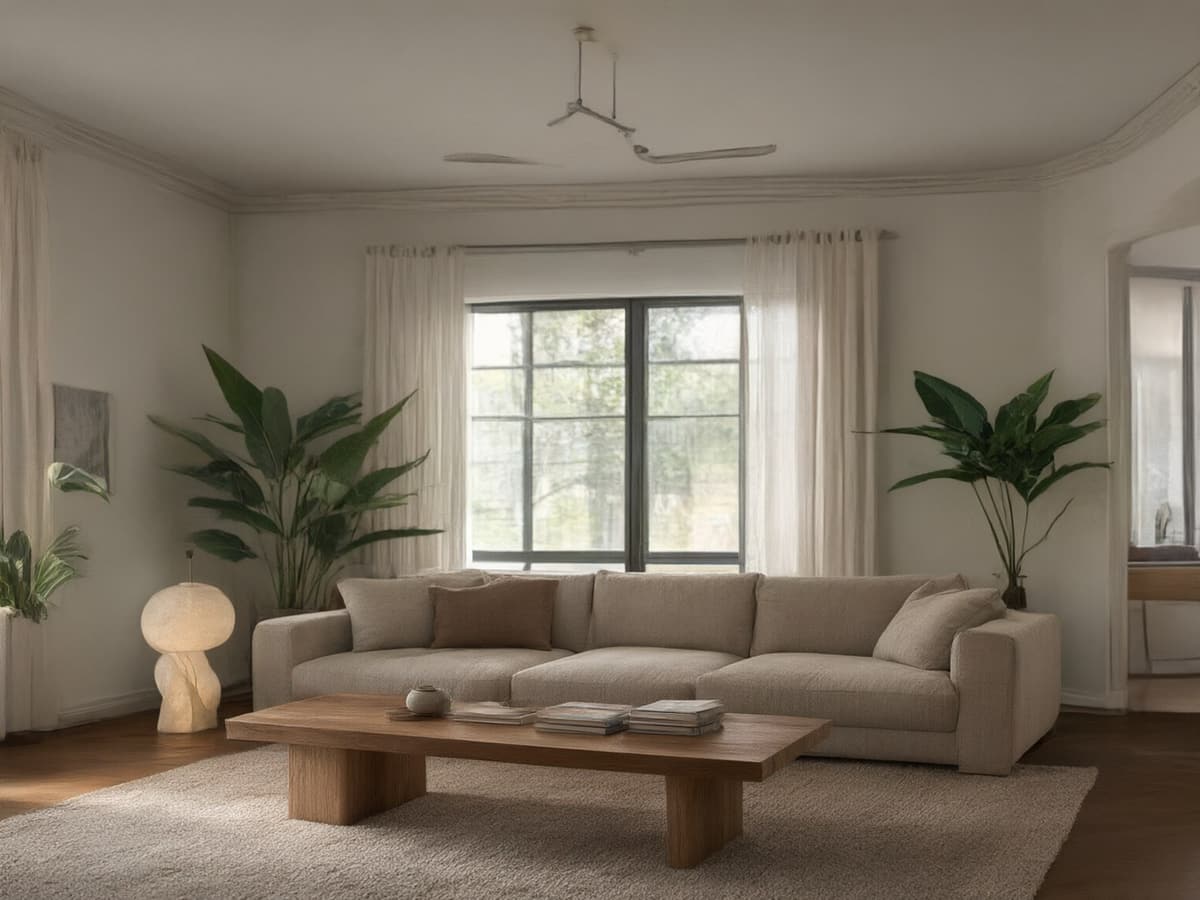 AI design example
01Modern
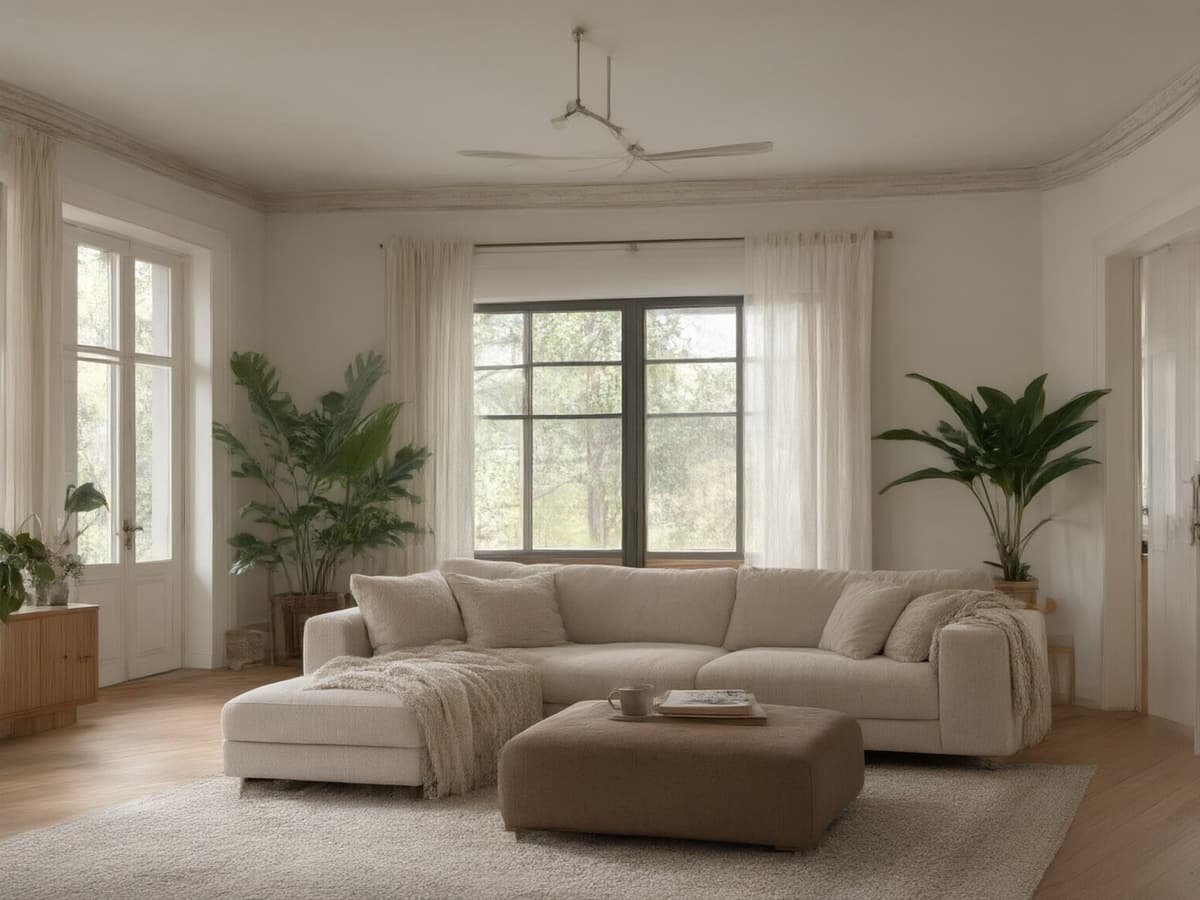 AI design example
02Scandinavian
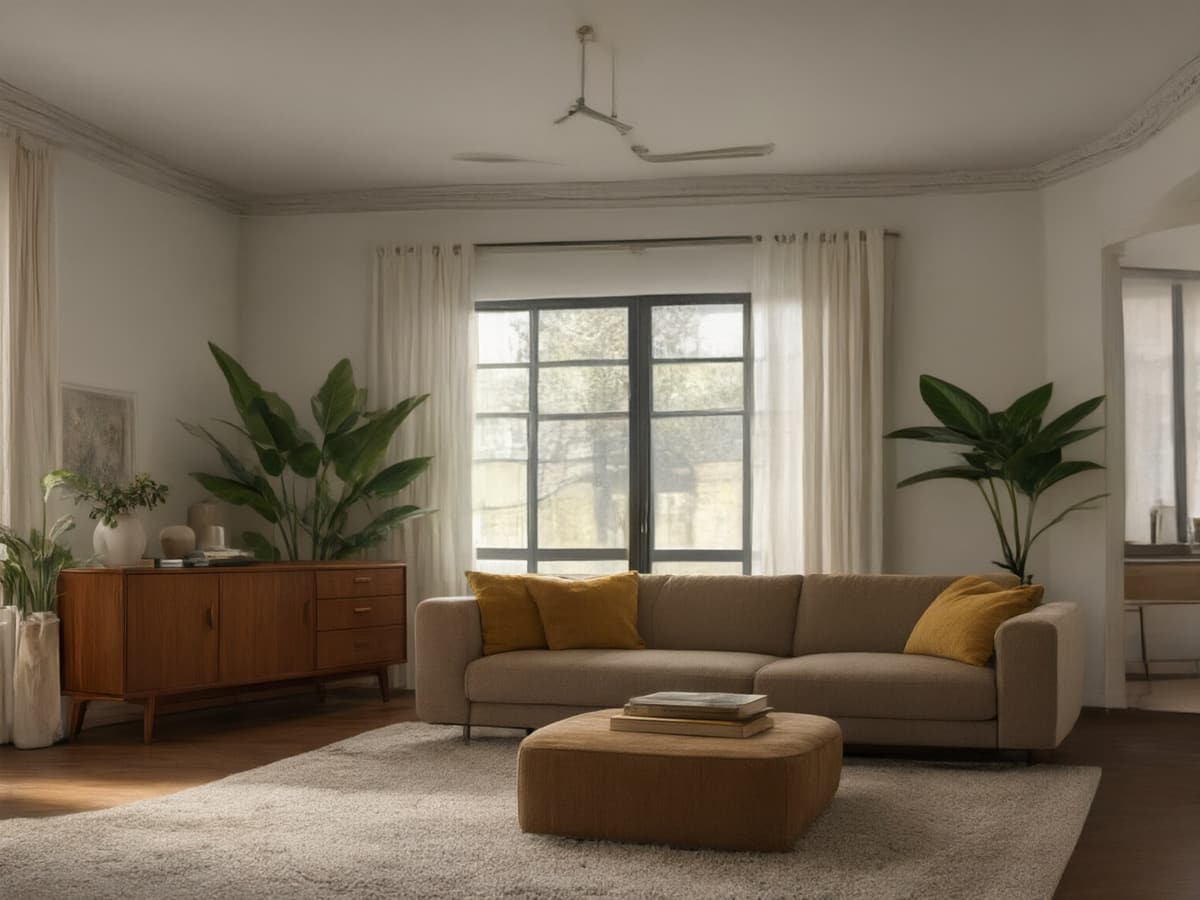 AI design example
03Mid-century
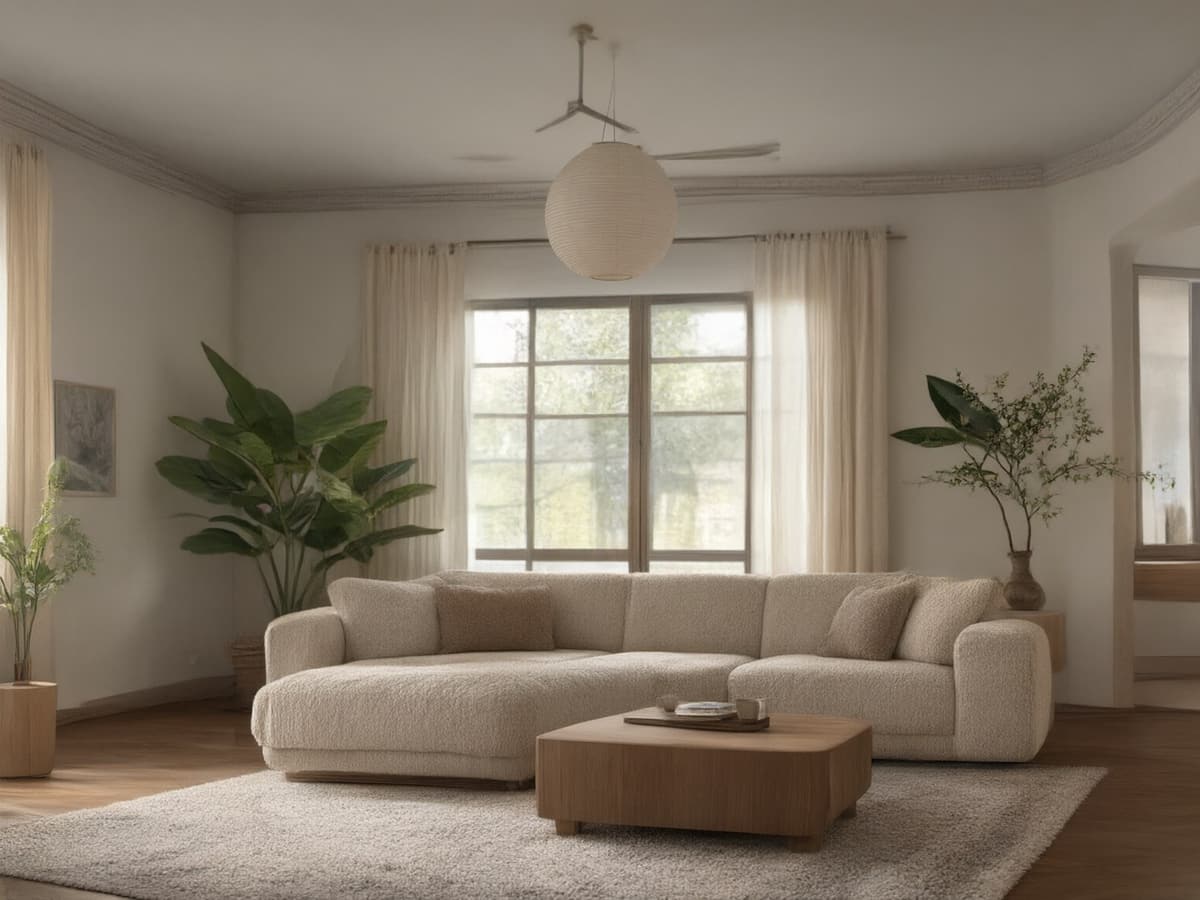 AI design example
04Japandi
ROOMFLOAT / FIELD NOTES
Living Room Layout Rules
Most living rooms fail for one of three reasons: the sofa faces the TV instead of the room, the rug is too small to hold the furniture group, or the largest piece is jammed against the wall leaving a dead zone in the middle. A render shows all three at once, because it shows the room rather than the furniture.
When you iterate, change one of those at a time. "Float the sofa off the wall, facing the fireplace" is a layout instruction the model can follow; "make it cosier" is not. Three specific instructions beat one vague one, every time.
- The rug should sit under the front legs of every seat in the group, at minimum.
- A coffee table two-thirds the length of the sofa is the safe proportion.
- One tall element (shelf, plant, lamp) per corner, no more.
ROOMFLOAT / FIELD NOTES
Small Living Rooms
In a small living room, the render's most useful output is what it leaves out. Ask for "fewer objects, same layout" and compare: if the room suddenly breathes, your problem was clutter, and the fix costs nothing. If it still feels tight, the issue is furniture scale — a three-seat sofa in a 12-foot room will always read oversized, no matter the colour.
Two moves that survive almost every small-room render: a low sofa with visible legs (you can see floor underneath, which reads as space), and a mirror on the wall opposite the window rather than beside it.
ROOMFLOAT / FIELD NOTES
Lighting and Textiles
Living rooms are the one space where the light in the photo matters more than the style. A render made from an evening photo will place lamps and warm pools of light; the same room shot at noon will come back bright and flat and look like a different design entirely. Pick the time of day you actually use the room.
Textiles carry most of the perceived warmth: a rug, two cushion weights, one throw, curtains that reach the floor. If a render feels cold, the fastest iteration is "add a wool rug and floor-length curtains", not "change the wall colour" — paint is the most expensive fix for a problem that is usually fabric.