A LITTLE CHANGE. A WHOLE NEW FEELING.
AI Home Design
Facades, living rooms, kitchens — one photo at a time, same house, new finishes.
Your starting point
Your first 2 designs are on us · no card needed
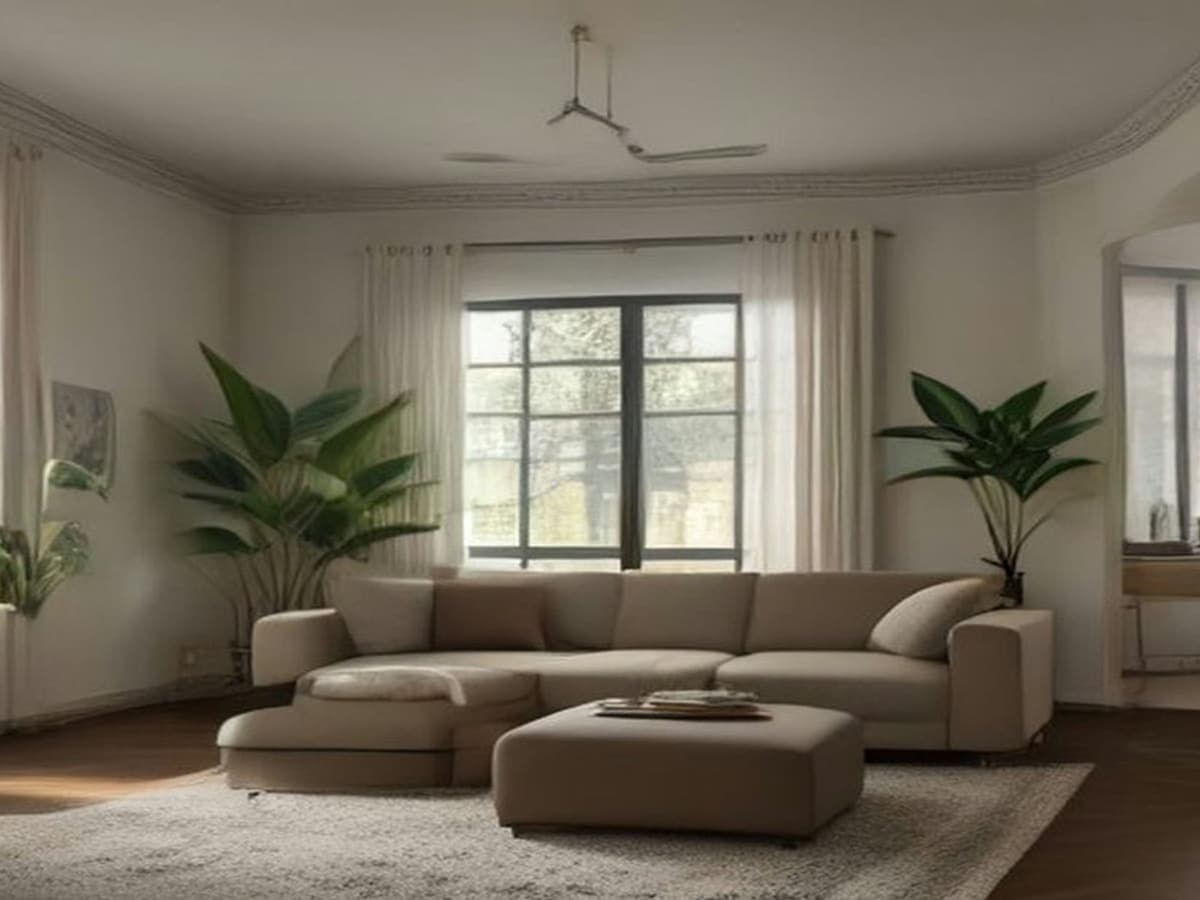
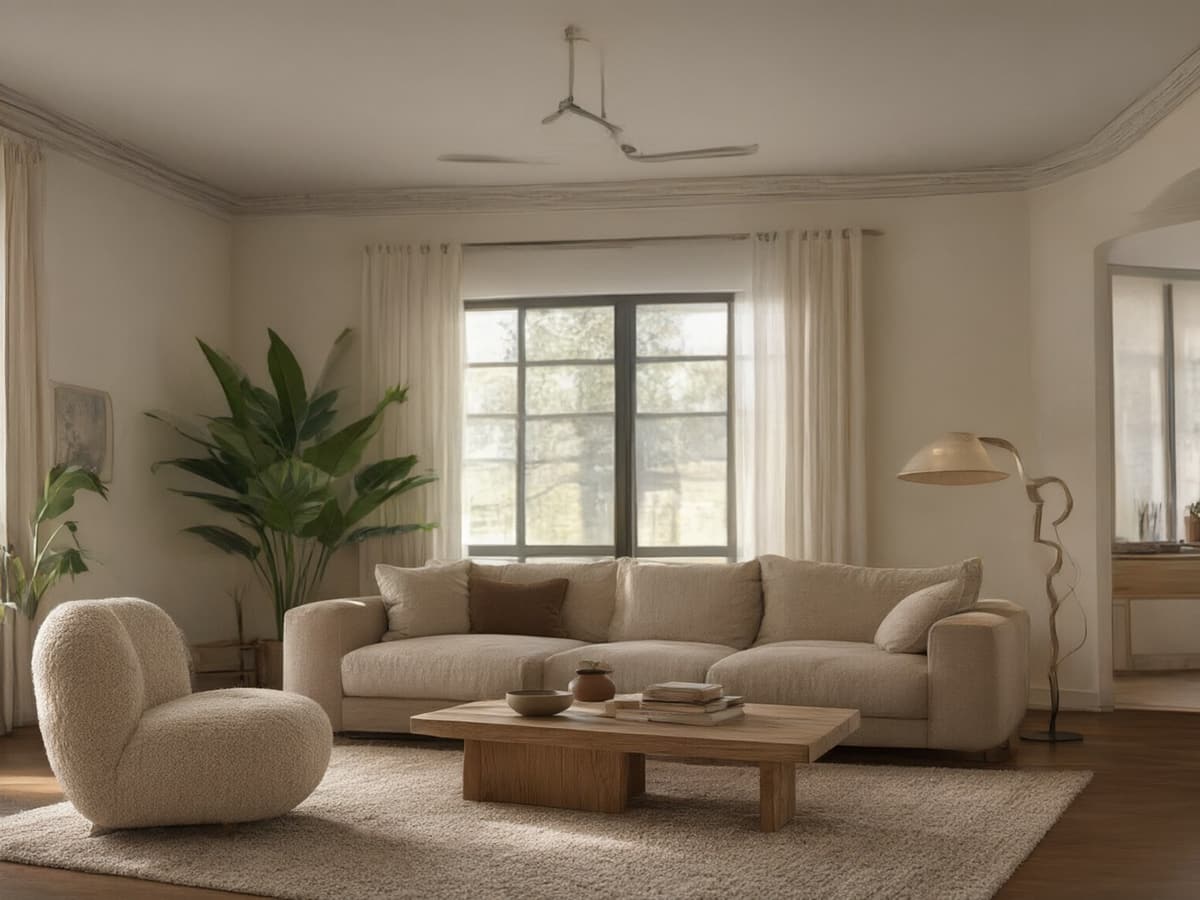 BeforeAfter
Drag the handle to compare before & after
FIND WHAT FEELS LIKE YOU
Different moods.
Same room.
Start with a feeling. Explore a few of our favourite directions, then make one your own.
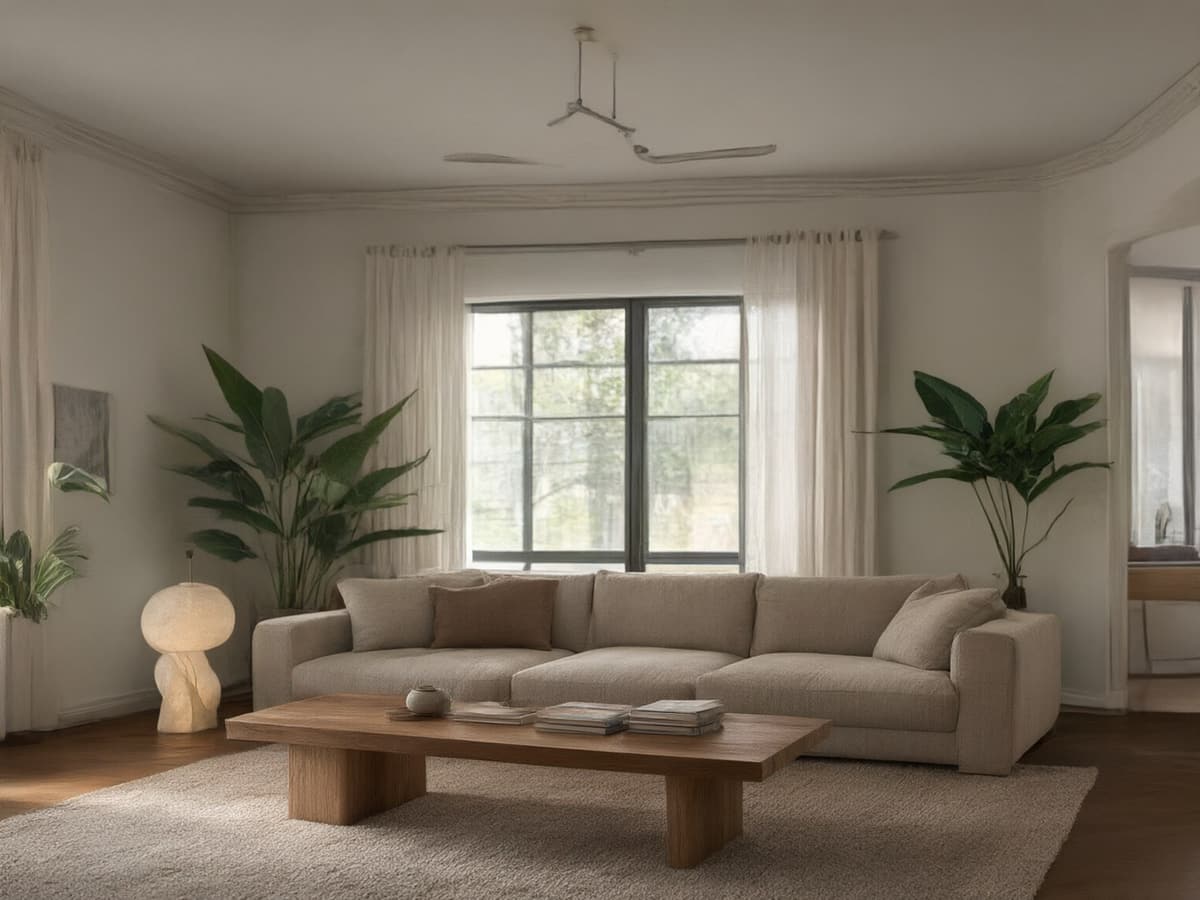 AI design example
01Modern
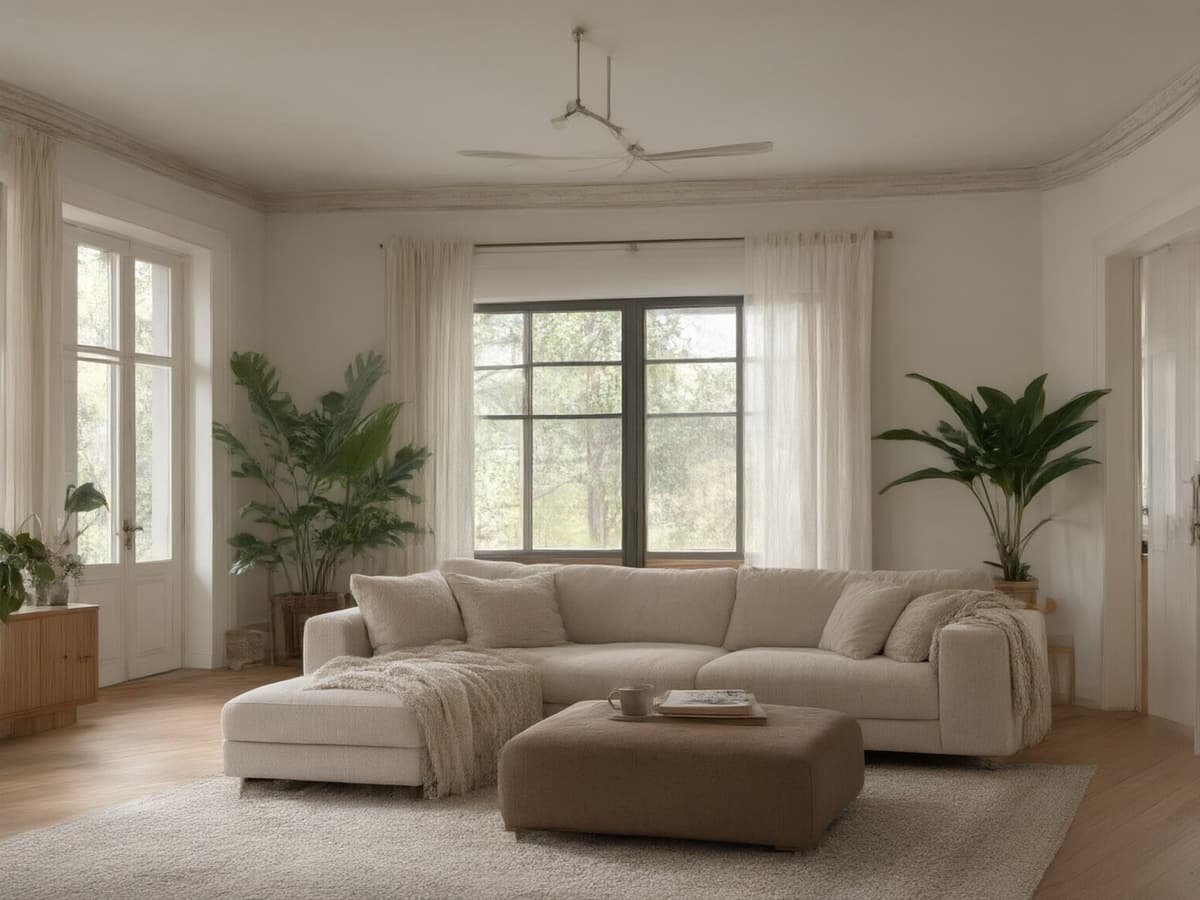 AI design example
02Scandinavian
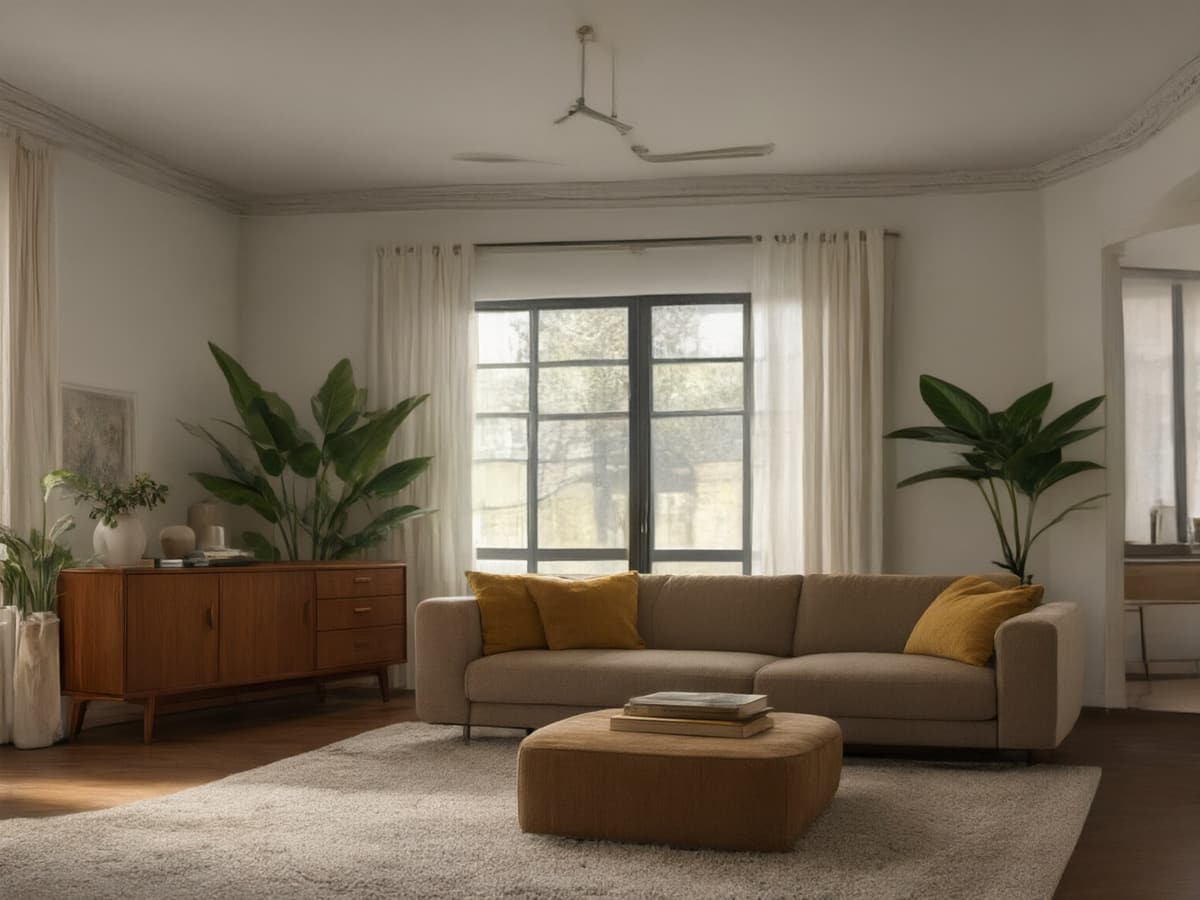 AI design example
03Mid-century
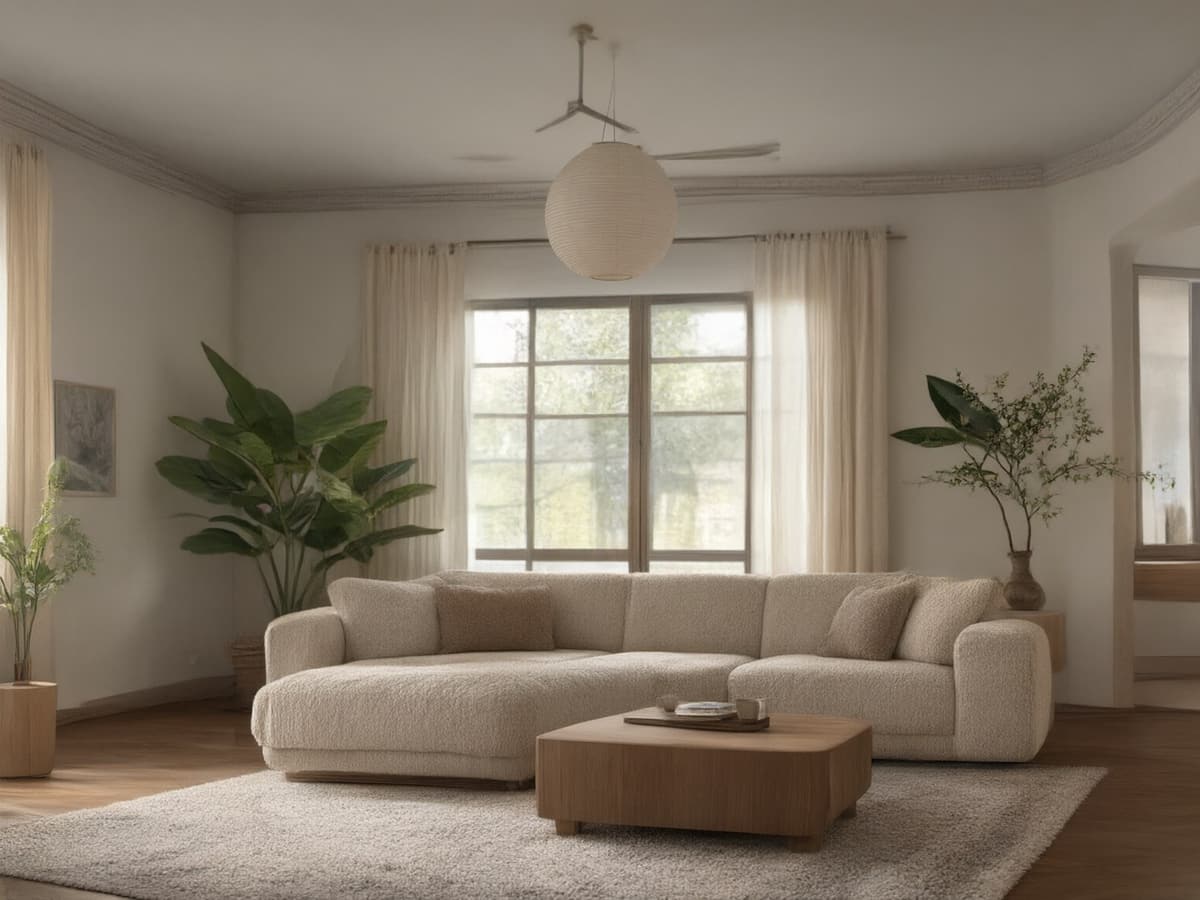 AI design example
04Japandi
ROOMFLOAT / FIELD NOTES
Exterior vs Whole-Home Redesign
Two very different jobs get filed under "home design". One is the facade: cladding, roof line, window trim, front door, planting. The other is the inside of the house, room by room. They use different prompts because they fail differently — a facade render that changes the roof pitch is useless, and an interior render that invents a window is worse.
For the facade, shoot from across the street, straight on, at eye level, on a day with flat light. Say what you want kept: "keep the roof line and the window positions, change the cladding to charcoal board-and-batten". For the interior, the doorway shot wins, and you should do one room at a time so the palette stays consistent rather than averaged.
- Facade: flat light, straight-on, whole house in frame, no cars in the drive.
- Interior: doorway shot, lights on, one room per run.
- Carry the palette by reusing the same Custom style string across rooms.
ROOMFLOAT / FIELD NOTES
Working With Your Floor Plan
A render cannot tell you whether a wall is load-bearing, and it will happily remove one. Keep original structure on whenever the question is cosmetic; turn it off only when you are exploring, and treat everything that comes back as a sketch for an architect rather than a plan.
The useful sequence for a real renovation is: decide the layout on a plan, then render the finishes for the rooms that will change. Rendering first and planning second produces beautiful rooms that do not fit the house — and a builder who quotes you twice.
ROOMFLOAT / FIELD NOTES
What AI Changes and What It Doesn't
It changes surfaces, furniture, lighting temperature and planting. It does not change square footage, structural walls, window positions or the direction the house faces. Those four constants are what make a home design decision expensive, and no render can absorb that cost for you.
Where the tool is genuinely strong is narrowing a shortlist before you pay anyone. Five facade directions in ten minutes will tell you whether you are a charcoal-and-timber house or a white-render house. That is a $200 conversation with a designer replaced by a $2 render — not because the render is as good, but because it kills four options you never needed to discuss.